Wednesday, February 8, 2017
Thin Bins, collapsible food containers that fit in a pocket
Compact storage is important when you a) travel by bicycle or on-foot and b) want to bring your own take-out containers to combat wasteful restaurant practices of too-large, disposable boxes.
Friday, February 3, 2017
Too much box for these left-overs
| Seriously? |
Among wasteful and ridiculous practices associated with dining out: was it really necessary for three tiny slices of pizza to be packed in such an enormous box? This is why we’ve placed an order for reusable, collapsible, easy-to-carry containers. No more depending-in-vain upon restaurant wait-staff to responsibly select our containers (which are still, ultimately, disposable).
Wednesday, December 28, 2016
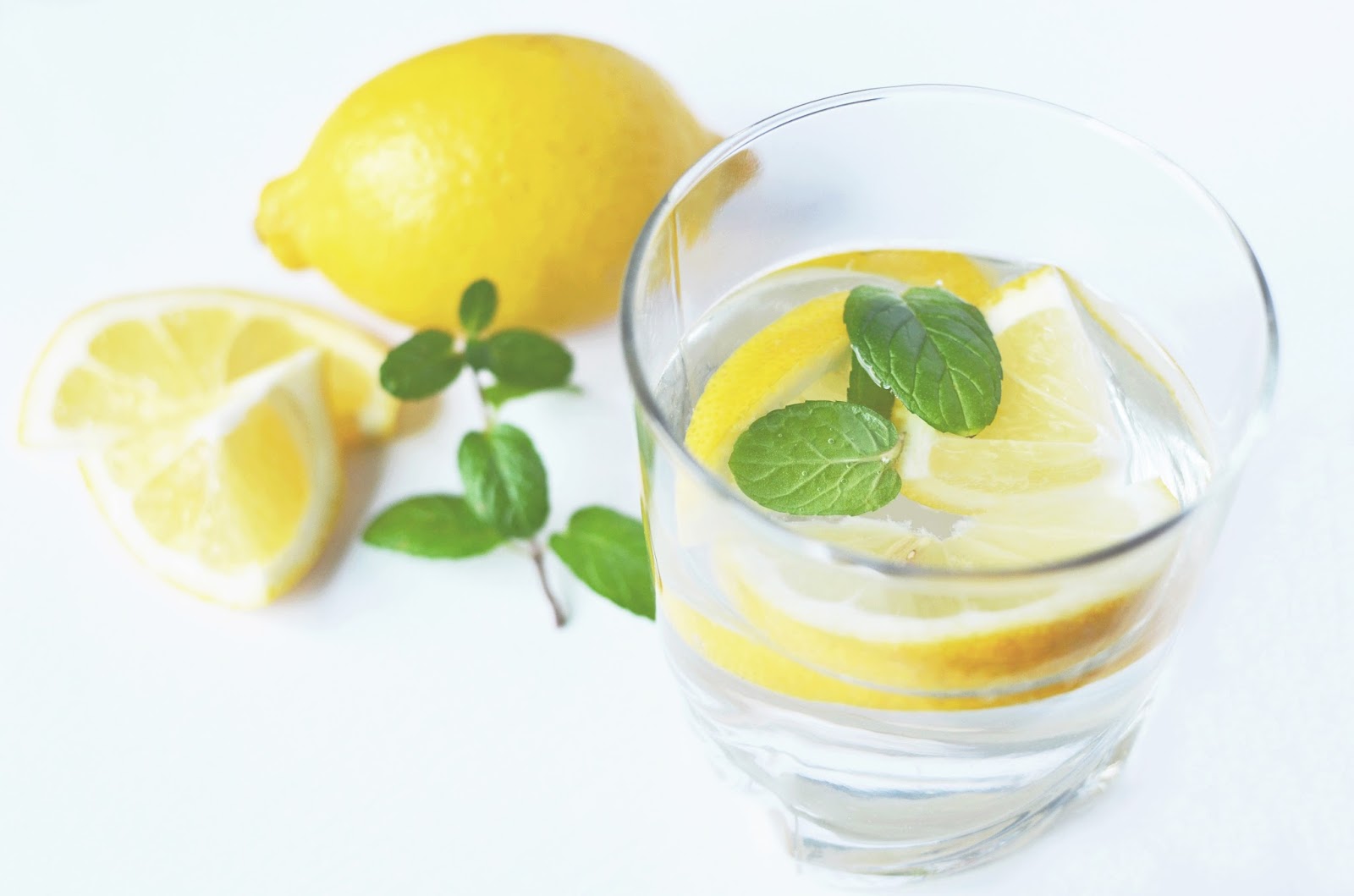
Can’t we just enjoy water?
![]() |
| Source of image: Pexels, under Creative Commons Zero Universal (CC0 1.0) license |
On Friday afternoon, walking around Medford, Ore., we stopped in at a local eatery. From experience, we knew that if we didn’t speak up immediately, water glasses would be deposited on our table, and those glasses would be clogged with ice. So we quickly told our server, “We’d like water with no ice.”
Monday, December 5, 2016
Unwanted chocolate carries burden of punishment
![]() |
| Public domain image by George Hodan |
Sunday, April 17, 2016
Diagnostic ‘labels’: Don’t be so quick to discard
From blogger Gail Forsyth-Vail writing at Beacon Broadside, I learned about an argument by Enrico Gnaulati, for removing children’s diagnostic “labels.” By briefly sharing my background, I hope to explain why this idea makes me uncomfortable.
When I grew up, I was painfully aware that I was not like other people. It was continually made evident by classmates who taunted and rejected me.
From kindergarten onward, I was a school-wide outcast.
Adults condemned me as a picky eater, because I could not tolerate certain foods. On one occasion, a babysitter tried to force-feed me chocolate cake. My mother actually had to tell this person that I didn’t have to eat cake if I didn’t want it (because a clamped-shut mouth and pulling away in revulsion were not accepted as communication). My mother found me, face smeared with the cake that the sitter tried to force on me.
When I grew up, I was painfully aware that I was not like other people. It was continually made evident by classmates who taunted and rejected me.
From kindergarten onward, I was a school-wide outcast.
Adults condemned me as a picky eater, because I could not tolerate certain foods. On one occasion, a babysitter tried to force-feed me chocolate cake. My mother actually had to tell this person that I didn’t have to eat cake if I didn’t want it (because a clamped-shut mouth and pulling away in revulsion were not accepted as communication). My mother found me, face smeared with the cake that the sitter tried to force on me.
Sunday, December 14, 2014
‘Food Chaining’ by Cheryl Fraker, et al.
As validated as I felt learning that a book like this exists, I felt even more validated when reading Food Chaining by Cheryl Fraker, Mark Fishbein, Sibyl Cox and Laura Walbert.
Eating is easily the most difficult sensory task I face. In childhood, I easily fit the profile of a “problem eater,” as described in this book. I accepted few foods, had strong adverse reactions that included gagging and was reluctant to even touch new foods.
My difficulties didn’t have the benefit of a book like this, however. Instead, adults labeled me “picky,” “spoiled” and “bad” because I could not eat what was served to me.
Even today, it takes time for me to get used to an unfamiliar food, and it requires considerable fortitude to be willing to try new things. If I go to an event when I know that I will get hungry, I have to bring my own snacks because I can’t rely on the selection including foods that I am able to eat.
Eating is easily the most difficult sensory task I face. In childhood, I easily fit the profile of a “problem eater,” as described in this book. I accepted few foods, had strong adverse reactions that included gagging and was reluctant to even touch new foods.
My difficulties didn’t have the benefit of a book like this, however. Instead, adults labeled me “picky,” “spoiled” and “bad” because I could not eat what was served to me.
Even today, it takes time for me to get used to an unfamiliar food, and it requires considerable fortitude to be willing to try new things. If I go to an event when I know that I will get hungry, I have to bring my own snacks because I can’t rely on the selection including foods that I am able to eat.
Saturday, July 19, 2014
Validated by fact that ‘Food Chaining’ is a thing
“Validation” would be my choice if I had to name my feelings reading this statement by Loree Primeau, PhD: “Since feeding involves all sensory systems (sight, smell, sound, touch, and taste), eating is the most difficult sensory task that children face.”
Eating continues to be the most difficult sensory task for this woman on the autism spectrum.
To expand my palate, my husband and I take an approach very similar to the “food chaining” discussed by Primeau at Aspergers101.
It takes time for me to get used to an unfamiliar food, and it requires considerable fortitude to be willing to try new things. An experience that is already fraught with challenges on the basis of unfamiliar or unpleasant tastes or textures is further burdened by past experiences and prevalent social attitudes.
Eating continues to be the most difficult sensory task for this woman on the autism spectrum.
To expand my palate, my husband and I take an approach very similar to the “food chaining” discussed by Primeau at Aspergers101.
It takes time for me to get used to an unfamiliar food, and it requires considerable fortitude to be willing to try new things. An experience that is already fraught with challenges on the basis of unfamiliar or unpleasant tastes or textures is further burdened by past experiences and prevalent social attitudes.
Subscribe to:
Posts (Atom)